habitats
plants...
Dubwath Silver Meadows is a marvellous place to look at and learn about wildlife - and plants are a very important, perhaps the most important, part of wildlife simply because everything else depends on them.
Wild plants don't just grow anywhere - each type of plant has preferences and tend to grow in places, with other plants with similar preferences, that have particular characteristics in terms of soil (whether limey or acid), wetness (dry or waterlogged), light (open or shady), and how the land is managed by people (is it grazed by animals, cut, or allowed to grow up into woodland?).
The relationship between all these things is called ecology. A group of plants that has similar preferences in terms of its ecology is called a plant community and the particular place where these ecological preferences are found is called a habitat.
Dubwath Silver Meadows is an amazing mosaic of different plant communities and habitats.
Dubwath Silver Meadows supports an amazing variety of plant communities and habitats that range from open wetland to wet woodland and from open grassland to dry woodland. While this variety does reflect natural ecological characteristics, it also reflects, in very important ways, centuries-old human intervention in the ecology, mainly through grazing animals and cutting of vegetation. Without grazing and cutting, the reserve would be covered almost entirely by woodland plant communities and much of the variety in plant and therefore other wildlife would be lost.
Dubwath Silver Meadows is made up of mainly wetland habitats
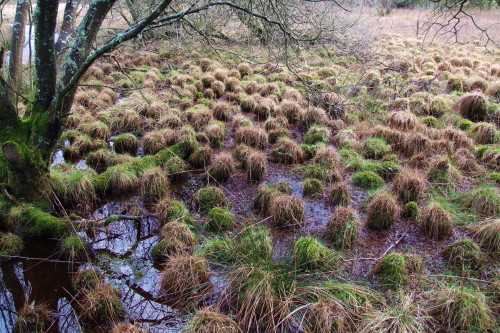
Wetland: a typical wetland area, dominated by tussocks of Purple Moor Grass.
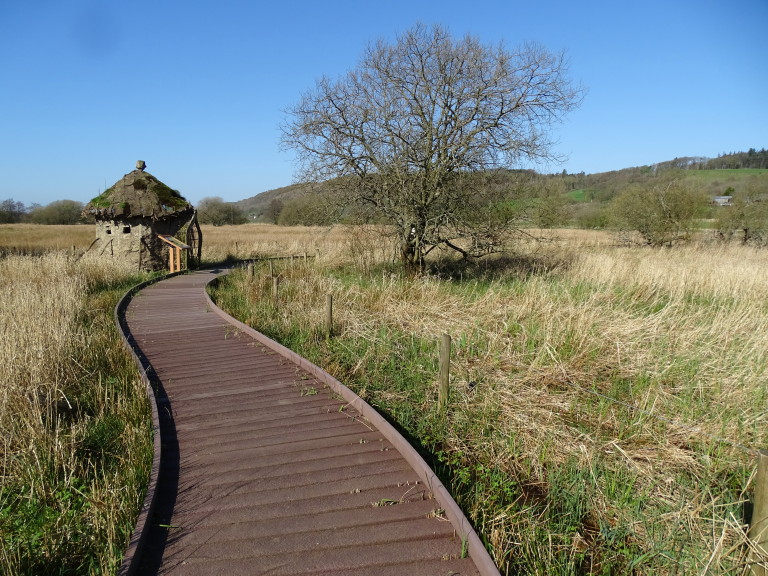
Dryland: a "dry" land picture - not as dry as it looks!

more about us
Quick links...
Dubwath Silver Meadows is managed by a dedicated group of volunteers.
Joining in...
You can be involved in any way you like, work parties, fund raising or by becoming a "Friend". With a donation of just £5 per household per year you will help with the upkeep and event planning needed for this unique wetland reserve.
Contact us
send us a message / ask a question
Plants? What kind of plants?" I said, "oh, all kinds; grass, weeds,flowers, trees, mosses, ferns - almost everything that grows is interesting to me."
John Muir