willow carr ...
The name "willow carr" refers to this low, multi-stemmed, almost mangrove-like, wetland willow woodland.
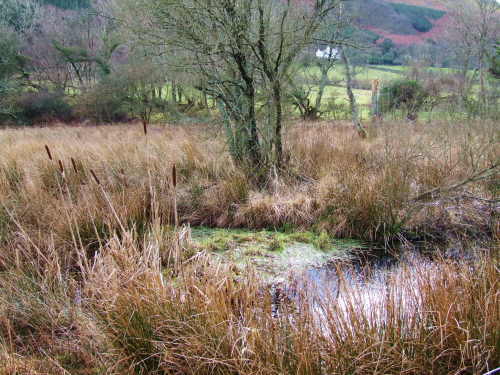
This is the wettest part of the reserve, it is often flooded and the last to dry out, so the plants here are tolerant to having their roots in water.
Willow
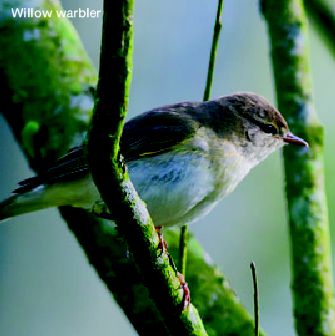
Willow is one of the few trees that thrive with its roots submerged in water, edging the bog and providing the ideal habitat in spring for migrant warblers.
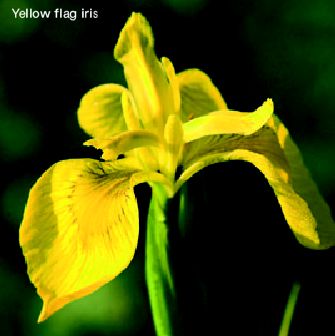
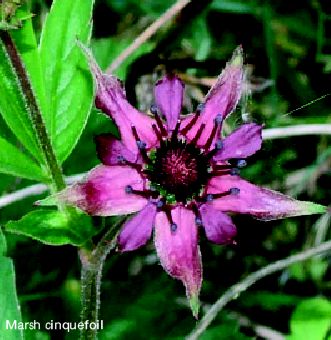 Yellow Flag Iris, Marsh Marigold, Marsh Cinquefoil, Ragged Robin, and Water Mint are typical and thrive in this area.
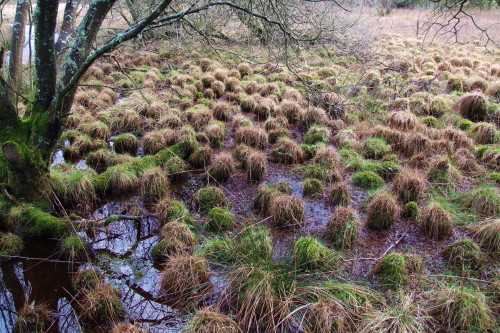
Purple Moor Grass dominates much of the area under the willow, forming the characteristic raised tussocks shown above. These prominent mounds form diverse habitats supporting a wide range of insects.
 This pond is the haunt of frogs, damselflies and dragonflies!
The boardwalk
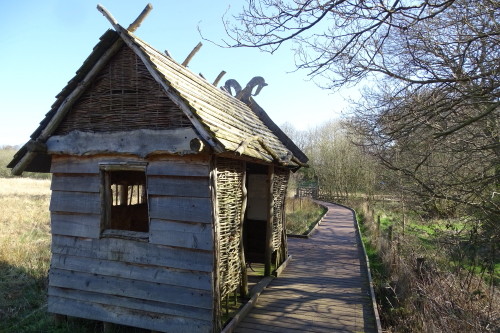
The boardwalk was put in so that there could be access for all around the reserve, and designed to withstand flooding - below. The boardwalk is made of recycled plastic and should last up to 40 years - far longer than a wooden one. At the end of its life it can be pulled up and recycled again!
Bryophytes and Lichens
The trees and varied habitats here also host a rich variety of interesting mosses and lichens - an indicator of good air quality. Bryophytes (mosses
and liverworts) and lichens are ancient species that evolved long before
flowering plants came on the scene.
The reserve also has a number of Sphagnum mosses, which can hold a lot of water and are one of the main peat-formers in bogs. These peat bogs are a major carbon sink.

more about us
Quick links...
Dubwath Silver Meadows is managed by a dedicated group of volunteers.
Joining in...
You can be involved in any way you like, work parties, fund raising or by becoming a "Friend". With a donation of just £5 per household per year you will help with the upkeep and event planning needed for this unique wetland reserve.
Contact us
send us a message / ask a question
A Tree does good like medicine...
John Muir