The Hay Meadow ...
This is at the slightly higher ground at eastern and northern ends of the site
This traditional hay meadow is managed in a time-honoured
tradition to form a grassland rich in flowers and insect life. Very few of these hay meadows exist today.
Modern intensive farming methods have led to grassland fed with artificial fertilisers, with a limited number of species of grass, cut in June before any surviving flowers can drop seed. There is little pollen or nectar for insects or food for farmland birds.
This hay meadow however, is managed by a local farmer and a team of dedicated volunteers so that agriculture and wildlife can thrive together.
The grass and flowers are left until they are ready to be cut and baled between July and August, after many of the flowers have been insect pollinated and formed seed. Then the meadow is grazed lightly by stock accustomed to semi-natural pastureland. In the process the cattle and sheep trample the open ground so that the flower seed can germinate.
The result is a vibrant, living meadow, full of varied grasses and flowers and buzzing with diverse insect life, which in turn provide food for birds. There are dozens of different kinds of plants growing here. Not all are easy to spot!
some things to look out for
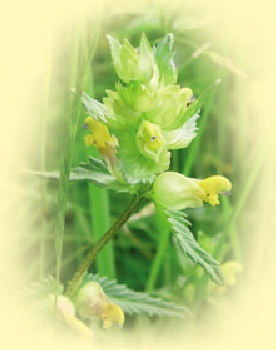
Yellow Rattle
This attractive plant is a parasite on grass, tapping directly into the stems / roots for nutrients. The grass is weakened, allowing more space for other plants to grow. In the autumn the seeds become loose inside rounded capsules and may rattle if shaken.
Insect Life
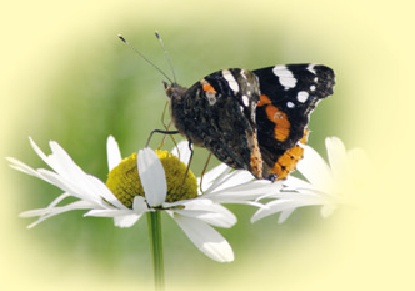
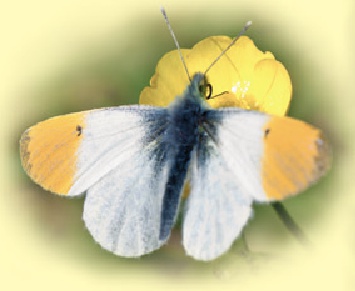
Amongst the grasses and plants a myriad of insect life may be discovered, including Orange-tip and Small Tortoiseshell butterflies, Damselflies and Dragonflies, the bright colours of which are quite startling.
woodland birdlife
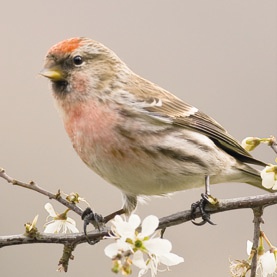
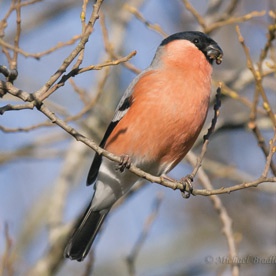
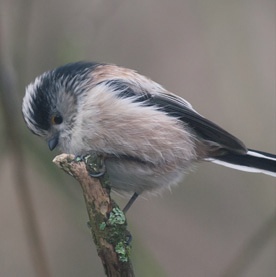
Behind the Hay Meadow is old woodland, ideal nesting habitat for many of the small birds you can see on the feeders. Blue Tits and Great Tits nest in holes often tapped out by the Great Spotted Woodpecker. Coal Tits nest in holes closer to the ground. Wrens choose clumps of brash or bramble whilst chaffinches build their mossy homes in the forks of branches. The seedheads of the Alder trees attract Siskin and Redpoll and we have visits from Bullfinch and Long-tailed Tits.
Redpoll
Bullfinch
Longtail Tit

more about us
Quick links...
Dubwath Silver Meadows is managed by a dedicated group of volunteers.
Joining in...
You can be involved in any way you like, work parties, fund raising or by becoming a "Friend". With a donation of just £5 per household per year you will help with the upkeep and event planning needed for this unique wetland reserve.
Contact us
send us a message / ask a question
Many eyes go through the meadow, but few see the flowers in it.
Ralph Waldo Emerson